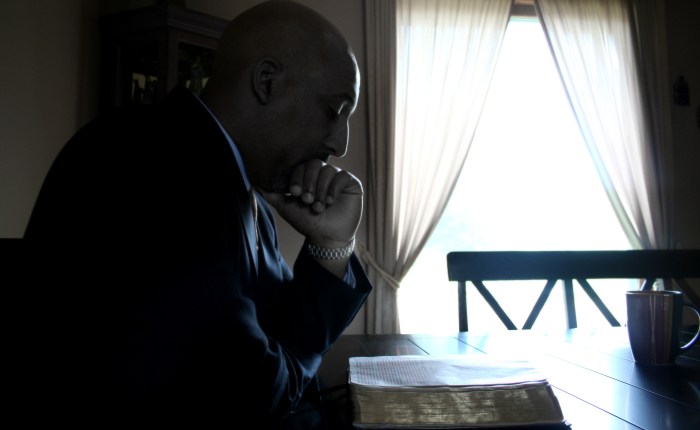
The Courage of Waiting

The Courage of Waiting

There is a particular kind of courage that doesn’t roar. It doesn’t charge into battle with a war cry or leap from a precipice to save a life. It’s a quieter, more profound kind of strength, born not of action but of stillness. It is the courage of waiting.

This is a quiet, resilient fortitude that the ancient songbook of faith, the Psalms, explores with remarkable clarity. Across its verses, we find a consistent message: true courage is not the absence of fear, but the presence of an unshakeable trust in a higher power. It’s a strength born not from our own will, but from a divine source that acts as both our light and our stronghold. Consider these three passages that connect courage directly to our relationship with God:

  • Psalm 27:1: “The Lord is my light and my salvation—whom shall I fear? The Lord is the stronghold of my life—of whom shall I be afraid?”
  • Psalm 27:14: “Wait for the Lord; be strong, and let your heart take courage; wait for the Lord!”
  • Psalm 31:24: “Be strong and take heart, all you who hope in the Lord.”

Our journey begins with the words of King David, a man who knew a great deal about facing down giants—both literal and figurative. He confronted giant adversaries, endured the relentless pursuit of an envious king, and even suffered the deep wound of betrayal from his own son. Yet, in the face of such turmoil, he makes an incredible, faith-reorienting declaration. This is not a flippant or dismissive rhetorical question. It is a statement of faith that completely reorients a person’s world. David isn’t claiming to have no reason to be afraid; rather, he is choosing to center his identity and security not on his own strength or the absence of danger, but on God. The world may be full of things that inspire fear, but for David, the Lord is a “light” that exposes the darkness and a “stronghold” that offers unshakeable protection. His courage, therefore, isn’t the absence of fear, but the presence of faith. He has an anchor that holds firm no matter how turbulent the sea. This challenges us to ask a fundamental question: who or what is the stronghold of our lives? When we place our trust in anything less than God—our career success, our financial stability, our physical health, or the fleeting approval of others—our courage will inevitably falter. For these are all things that can and will fail us. But the courage that stems from a foundation in God is one that cannot be shaken.

The next theme we will explore is the profound and powerful command to persevere in the very act of waiting. In our modern, fast-paced world, the very concept of waiting feels like a weakness. We are conditioned to seek immediate solutions, instant answers, and quick fixes. The advent of instant communication, next-day delivery, and on-demand streaming has trained us to believe that waiting is an inconvenience, a failure of efficiency. But the psalmist tells us that true courage is found not in the haste of action, but in the profound discipline of waiting on God. To “wait for the Lord” is not to sit idly by in passive resignation. It is a deliberate, active, and expectant posture of hope. It is a deep-seated conviction that says, “I may not see the way forward, the path may be obscured by shadow and uncertainty, but I will trust the one who does. I will be strong and courageous in this present moment, even as I wait for his perfect timing.” This kind of courage is not flashy. It is a quiet, resilient strength that endures through seasons of silence and uncertainty, much like a plant waiting for the right season to bloom or an athlete training for years for a single moment of triumph. It is the resolve to keep your hands open and your heart attentive, even when nothing appears to be happening. This is where the deepest, most enduring kind of courage is forged—in the crucible of patience. It is the courage to not force a timeline, to not rush an answer, but to trust that the one who holds all time in His hands is working on our behalf, even when we cannot perceive it.

Finally, we turn to the conclusion that echoes the theme of hope, but with a new and vital dimension. This verse is a final, resounding call to action. It is not just a personal encouragement, but a collective one, addressed to “all you who hope in the Lord.” It reminds us that our faith journey is not a solitary one. When we feel overwhelmed by the demands of waiting, we can and should draw strength and courage from one another, from the community of faith that shares the same profound hope. Our courage isn’t a solitary act of will; it is a communal practice. In the same way that a team of mountain climbers shares the weight of their gear and encourages each other to keep going, so too do we share the burden of our fears and celebrate the small victories of hope. The courage to wait is fortified by the knowledge that we are not alone. It is a shared journey, and our hope isn’t in our own ability to be strong, but in the steadfast character of God himself. The more we hope in Him, the more our hearts are filled with the courage we need to face whatever comes our way.

The courage of waiting is a tapestry woven from these three threads: the unshakeable foundation of faith in God as our stronghold, the active discipline of patient endurance, and the collective strength found in a community of shared hope. It is the courage to stand in the face of the unknown, not because we are fearless, but because we know the one who holds all things together. It is a courage that is forged in the silent moments of trusting, in the difficult moments of hoping, and in the shared moments of encouragement. And in a world that rushes toward the next thing, the quiet, powerful act of waiting is perhaps the most courageous act of all.

A Father’s Gift, Generational Wisdom

A Father’s Gift, Generational Wisdom

Imagine a map to a truly flourishing life – not just existing, but thriving in every sense of the word. The ancient book of Proverbs offers precisely that: a father’s passionate plea to his children, a legacy of wisdom passed down through generations. This wisdom wasn’t born in a vacuum. It was forged through the lives of imperfect men who understood the profound importance of passing on invaluable attributes. This inheritance, far more precious than any material wealth, is comprised of character, faith, and practical discernment for navigating the complexities of this life.

From Jesse, a simple Bethlehem shepherd, came his son David. Jesse, despite his humble stature, instilled in David a deep-seated faith in God, an unyielding courage in the face of giants, and a shepherd’s heart that would later define his leadership. David, chosen by God as king, profoundly shaped his son Solomon, despite his own significant flaws and moral failures. David’s instruction to Solomon was not just about ruling a kingdom, but about pursuing wisdom above all else, practicing justice with integrity, and cultivating an unwavering devotion to God’s house and His law. Despite their imperfections, these men understood that true legacy is not accumulated riches. It is spiritual fortitude and practical guidance to live a divinely aligned life.. Their lives, with both triumphs and mistakes, served as powerful lessons.

It is in Proverbs 4 that we witness a father’s guidance for daily living, rooted in the fear of the Lord, for his son (children). Here, likely Solomon is recalling his own father David’s instruction and perhaps even the heritage from Jesse imploring his son to embrace wisdom as a vital, life-sustaining force. Proverbs 4 makes three essential points for navigating life successfully: Pursue WisdomProtect the Heart, and Stay on the Path of Righteousness. These aren’t mere suggestions; they are commands for a blessed life.

The culmination of wisdom and a guarded heart leads us directly to the intentional path of righteousness, as powerfully articulated in Proverbs 4:24-27. This section provides actionable guidance on how our internal state translates into our external conduct, focusing on three crucial areas: the words we speak, the things we allow our eyes to see, and the actions we take with our feet. This isn’t about passive goodness but active, deliberate choices that shape our character and destiny.

First, the proverb admonishes us to guard our speech: “Put away from you crooked speech, and put devious talk far from you” (v. 24). Our words are a direct, often unfiltered, outflow of our heart. If our heart is carefully guarded and filled with wisdom, our speech will naturally reflect truth, integrity, and righteousness. However, if our heart is corrupted, our words will quickly follow suit. “Crooked speech” encompasses dishonesty, manipulation, and gossip – words that twist the truth or seek to undermine others. “Devious talk” includes flattery that deceives, promises made without the intention to keep them or any form of communication designed to mislead or harm. Such language inevitably leads to broken trust, damaged relationships, and a compromised character. We must constantly examine our communication: Are our words truthful, edifying, and pure? Do they build up or tear down? The way we speak reveals the true condition of our inner being and profoundly impacts our interactions with the world around us.

Secondly, we are instructed to guard our gaze: “Let your eyes look directly forward, and your gaze be straight before you” (v. 25). Our eyes are often called the windows to our soul, serving as a primary gateway through which external influences enter our minds and hearts. What we choose to look at, read, and consume visually profoundly shapes our thoughts, desires, and, ultimately, our actions. A focused, straightforward gaze implies integrity, clear purpose, and unwavering direction. It means we are not easily distracted by evil, temptation, or the fleeting allure of that which is impure or detrimental. This admonition is more critical than ever in a world saturated with visual stimuli. Are we fixing our eyes on what is pure, lovely, and good, thereby feeding our souls with truth and inspiration? Or are we allowing our gaze to wander, to linger on things that defile, distort our perception of reality, or distract us from our righteous path and core values? Intentionality in what we permit our eyes to behold is a vital defense for the heart.

Finally, and perhaps most encompassing, we are called to guard our steps: “Ponder the path of your feet; then all your ways will be sure. Do not swerve to the right or to the left; turn your foot away from evil” (v. 26-27). This is the practical outflow of a wise and guarded heart—our actions, our life’s journey. To “ponder the path of your feet” means deliberatelyassessing and leveling our course. It’s not about impulsive action but intentional planning, thoughtful consideration, and regular self-assessment to ensure our direction is stable and certain. Consider the analogy of a clear, straight road versus a winding, treacherous one. Righteousness is the straight, well-laid path that leads to security, peace, and blessing. Evil, on the other hand, represents any deviation, any swerving to the right or to the left, that will undoubtedly lead to peril, regret, and, ultimately, destruction. Even seemingly minor deviations can lead to significant departures from our intended destination. Are we living intentionally, making conscious choices about our direction, or are we haphazardly drifting through life, swayed by convenience or popular opinion? Are our daily actions aligned with God’s word and the wisdom we claim to pursue, or are we veering off into compromise, succumbing to the subtle temptations that pull us away from the path of integrity?

The father’s impassioned plea in Proverbs 4 is not merely an ancient historical record. It is a timeless blueprint for a truly flourishing life. Just as Jesse passed on enduring faith and courageous spirit to David, and David in turn instilled in Solomon the profound pursuit of wisdom and the practice of justice, this invaluable legacy of spiritual and practical guidance continues through the generations. By actively pursuing wisdom as a lifelong endeavor, diligently protecting our hearts from corrupting influences, and intentionally walking the path of righteousness—guarding our speech with truth, our gaze with purity, and our steps with purpose—we embrace the very principles these biblical fathers championed. This profound wisdom, imperfectly yet faithfully transmitted from one generation to the next, remains as vital today as it was when first uttered, guiding us towards a blessed and purposeful existence.

How might you begin to apply this timeless wisdom in your own life today?

Wrestling the Unseen 

Wrestling the Unseen 

The ancient city of Ephesus, a bustling hub of commerce and diverse spiritual practices, was no stranger to the shadows of the unseen world. As recorded in the Book of Acts, when the Apostle Paul ministered there, he encountered an unusual and striking amount of demonic activity. This historical backdrop, where spiritual forces overtly manifested, serves as a powerful reminder that our world, even today, is a battleground where unseen powers vie for influence and control. Our struggle, as Ephesians 6:12 declares, “is not against flesh and blood, but against the rulers, against the authorities, against the powers of this dark world and against the spiritual forces of evil in the heavenly realms.” This passage compels us to acknowledge spiritual warfare’s reality and equip ourselves for the fight.

The Pervasive Reality of Spiritual Conflict

To effectively stand against the devil’s schemes, we must first come to terms with the undeniable reality of evil spirits, or demons, and their capacity to possess people. This reality isn’t a phenomenon confined to ancient texts or distant lands; it is a spiritual truth that transcends all faith traditions. Temples, synagogues, mosques, and churches—no sacred space is entirely immune to their influence. We shouldn’t find it strange to occupy a pew with a person grappling with an evil spirit.

Consider the stark illustration in Luke 4:33-35, where a man possessed by an impure spirit cried out in a synagogue, “Go away! What do you want with us, Jesus of Nazareth? Have you come to destroy us? I know who you are—the Holy One of God!” This biblical account underscores a critical truth: if demon-possessed individuals can be found in the temple, and if God in Jesus Christ is present at church, what makes us think demons can’t find our addresses? Those possessed by evil spirits are everywhere; they are in the White House, the Senate, Congress, police stations, schools, and city hall.Disturbingly, they are even in the church, some in Sunday school, and for some of us, they are in our very homes.

The sole aim of this adversary is to destroy the God-given potential within you. Evil is hellbent on ensuring that you never realize the power you possess as a child of God. The Bible consistently depicts the violent and destructive nature of demons toward those they possess. In Acts 19, an evil spirit jumped on several Jewish exorcists, overpowering them and sending them running, stripped of their clothes and dignity. Another account describes a demon throwing a possessed man down in front of the Lord Himself. These vivid narratives highlight the tangible impact of spiritual oppression.

Three crucial understandings about evil emerge from these encounters, each vital for effective spiritual engagement: 

Evil is Strong and a Bully: This isn’t a passive force we can ignore. Evil is an active, aggressive entity that will relentlessly wrestle to overpower you or your loved ones. It seeks to dominate, control, and ultimately destroy. Recognizing its strength means we approach spiritual warfare with a sober awareness of the formidable opposition, preventing us from underestimating its tactics or becoming complacent. It’s a reminder that we cannot fight this battle with just our own strength. 

The Person Possessed Is a Victim, Not an Enemy: This distinction is profoundly important. When we encounter individuals under demonic influence, our posture should be one of compassion, not condemnation. The evil Spirit is the aggressor; the person is merely its host, a captive suffering under its oppression. Discerning this allows us to direct our spiritual efforts toward the deliverance of the victim, focusing our compassion and prayers on their freedom rather than viewing them as the antagonists. 

Evil Recognizes and Submits to the Authority of Jesus Christ: This is the cornerstone of our hope and the ultimate key to victory. Despite its strength and bullying nature, evil is not sovereign. Every demonic entity, every spiritual force of darkness, is ultimately subordinate to the power and authority of Jesus Christ. This truth empowers believers when we operate in the authority granted to us through Christ. Even the most formidable evil is compelled to submit. It means our victory is assured, not through our might, but through the indisputable power of our Lord.

Failing in the Fight

Despite the clear reality of spiritual warfare and the power available through Christ, many struggle to engage in the fight effectively. One significant reason lies in a misapplication of spiritual authority, as exemplified by the sons of Sceva in Acts 19:13. These Jews, who “went around driving out evil spirits, tried to invoke the name of the Lord Jesus over those who were demon-possessed.” They would declare, “In the name of the Jesus whom Paul preaches, I command you to come out.”

However, their efforts backfired catastrophically. As commentators note, Sceva was likely not a legitimate Jewish high priest but perhaps a self-styled leader of a pagan cult who found it profitable to pose as a Jew. His “sons” attempted to wield the name of Jesus like an unfamiliar weapon, and it exploded in their hands. They were taught a brutal lesson about the danger of using the name of Jesus superficially or opportunistically, dabbling in the supernatural. Their lack of genuine connection and authority rendered their invocation powerless. This ancient account illuminates a contemporary problem. We are failing in the fight because we are faking in the fight. Many have Jesus on their lips, but their hearts are far removed from Him. We may maintain a form of godliness, adhering to outward religious practices, but we deny its inherent power. Such a state leaves us utterly unfit for the spiritual battle. Knowing about Jesus is not enough; we must know Him intimately, have a genuine relationship, and walk in His authority.

Fighting to Win

Now to the foundational call of Ephesians 6:10-17: “Finally, be strong in the Lord and in his mighty power. Put on the full armor of God, so that you can take your stand against the devil’s schemes… Therefore put on the full armor of God, so that when the day of evil comes, you may be able to stand your ground, and after you have done everything, to stand.

To effectively stand, Paul instructs us on the specific parts of this divine armor: 

Stand firm then, with the belt of truth buckled around your waist: Just as a belt holds a soldier’s tunic and other gear in place, truth provides stability and integrity to our spiritual lives. The unwavering foundation of God’s Word grounds us in reality, protecting against the deception and lies of the enemy. 

With the breastplate of righteousness in place: A breastplate protects the vital organs. Righteousness, imputed (Christ’s righteousness credited to us) and practical (living according to God’s moral standards), guards our hearts and consciences against accusation and guilt, ensuring our spiritual vitality. 

And with your feet fitted with the readiness that comes from the gospel of peace: Soldiers needed sturdy footwear for long marches and battle. Our readiness to spread the good news of peace with God and to live in that peace provides us with stability and purpose, enabling us to advance spiritually and withstand the enemy’s assaults. 

In addition to all this, take up the shield of faith, with which you can extinguish all the flaming arrows of the evil one: A shield protects the entire body from incoming attacks. Faith is our active trust and confidence in God, serving as a protective barrier that deflects and nullifies the fiery temptations, doubts, and accusations that the enemy hurls our way. 

Take the helmet of salvation: The helmet protects the most vulnerable part of the body—the head. Salvation, our assurance of God’s deliverance and eternal life through Christ, guards our minds from despair, fear, and confusion, keeping our thoughts fixed on God’s victorious plan. 

And the sword of the Spirit, which is the word of God: This is the only offensive weapon in the armor. The Word of God, inspired by the Holy Spirit, is sharp and powerful. It allows us to actively engage the enemy, counter false doctrines, and dismantle strongholds, not just defending but advancing God’s kingdom.

The solution to our failing in the spiritual fight lies not in rituals or borrowed power but in authentic faithfulness to our Lord Jesus Christ. We must be intentional and have an empowered readiness for the unseen war. To stand in the strength of God’s power requires more than words; it demands a life fully yielded to Him, clothed in His divine armor, and ready to engage the spiritual forces that seek to overpower us. By consciously putting on and utilizing each piece of this spiritual armor, we are not merely defending ourselves but actively demonstrating the mighty power of the Lord in our lives.

Just a Little While

Just a Little While

The human heart yearns for arrival. From the impatient child in the backseat, “Are we there yet?” to the adult wrestling with life’s profound challenges, the question echoes: “Lord, how long until my breakthrough? When will this season of waiting finally end?” This persistent inquiry is not a sign of weakness, but a testament to our innate desire for resolution, for the fulfillment of God’s promises in our lives. Yet, what if our “arrival” is not solely a matter of God’s timing, but also intimately connected to our posture in the pause? To uncover the profound purpose embedded within our periods of anticipation and trial, let’s turn to a passage of immense comfort and challenge: 1 Peter 5:6-11 (NIV). Peter, writing to believers undergoing severe persecution, offers not a quick escape, but a divine framework for flourishing within the furnace of affliction. He writes: “Humble yourselves, therefore, under God’s mighty hand, that he may lift you up in due time. Cast all your anxiety on him because he cares for you. Be alert and of sober mind. Your enemy the devil prowls around like a roaring lion looking for someone to devour. Resist him, standing firm in the faith, because you know that the family of believers throughout the world is undergoing the same kind of sufferings. And the God of all grace, who called you to his eternal glory in Christ, after you have suffered a little while, will himself restore you and make you strong, firm and steadfast. To him be the power for ever and ever. Amen.” This “suffering” Peter speaks of is not merely fleeting discomfort, but a comprehensive term for the trials, hardships, and pains that often accompany a life of faith. It’s the prolonged illness, the chronic financial strain, the fractured relationship, the seemingly unanswered prayer. Our deepest struggle isn’t always the presence of difficulty itself, but the agonizing duration of the wait for its resolution. Yet, within these verses, God Himself offers a transformative lens through which to view our “lingering hardships,” revealing their meaning, purpose, and most importantly, their divinely appointed end.

Peter doesn’t leave us languishing in our impatience; he provides a clear, actionable pathway to navigate the waiting room of life with grace and strength. The first, and perhaps most crucial, step is to humble yourselves, therefore, under God’s mighty hand.” Humility, in this context, is not self-deprecation, but a profound acknowledgment of God’s absolute sovereignty and our complete dependence on Him. It means releasing our grip on control, relinquishing our prideful attempts to orchestrate our own breakthroughs. We often believe that if we just strategize harder, work longer, or worry more intensely, we can accelerate our arrival. But Peter reminds us that true elevation—”that he may lift you up”—comes in “due time,” God’s perfect time, not our own. This humbling posture leads directly to the second command: “Cast all your anxiety on him because he cares for you.” Our anxieties are often the direct result of our perceived lack of control. When we humbly acknowledge God’s “mighty hand” over every circumstance, we empower ourselves to genuinely lay down our burdens. The Greek word for “cast” here (epiriptó) implies a decisive, once-and-for-all throwing off. It’s not a polite handing over, but a forceful release. Why can we do this? Because He cares. This isn’t a passive interest; it’s an active, compassionate, fatherly concern that embraces every detail of our lives. When we fully grasp His care, the weight of waiting, though still present, becomes immeasurably lighter. We are suffering the wait, yes, but never without the intimate presence and unwavering support of the Almighty.

As we humble ourselves and cast our anxieties, Peter issues a vital warning: “Be alert and of sober mind. Your enemy the devil prowls around like a roaring lion looking for someone to devour.” Our periods of waiting and suffering are not merely passive experiences; they are battlegrounds. The adversary, ever vigilant, seeks to exploit our vulnerability, to plant seeds of doubt, despair, and discouragement. He wants us to believe God has forgotten us, that our faith is futile, that our suffering is pointless. Being “alert and of sober mind” means exercising spiritual discernment. It means guarding our thoughts, saturating ourselves with truth, and recognizing the enemy’s insidious tactics. How often do we see individuals, just on the cusp of a breakthrough, succumb to temptation or discouragement, thereby missing their divine appointment? Satan’s objective is to ensure we never arrive at God’s intended destiny. He seeks to derail us, to convince us that our purpose is unattainable. But Peter assures us that “resistance” is possible, by “standing firm in the faith,” and by remembering that our “family of believers throughout the world is undergoing the same kind of sufferings.” We are not alone in this fight; there is strength and solidarity in our shared journey.

This is where the true glory of the passage shines through, offering not just a promise, but a divine guarantee: “And the God of all grace, who called you to his eternal glory in Christ, after you have suffered a little while, will himself restore you and make you strong, firm and steadfast.” The phrase “a little while” is crucial. In the context of eternity, even a lifetime of suffering is but a fleeting moment. God, who is “the God of all grace,” will not allow our suffering to be in vain. He is actively working within our waiting. This promise is rich with transformative verbs: He will restore what is broken, heal what is wounded, and bring back what was lost. He will make you strong as our weakness in suffering becomes the crucible for divine strength, forging resilience we could not have otherwise gained. He will make us firm, establishing us with a solid footing, ensuring our faith is unshakeable; the KJV’s “establish you” perfectly captures this sense of foundational stability. Finally, He will make us steadfast, resolute and unwavering, enabling us to stand firm against future trials. There is, indeed, a profound purpose in waiting. It is in the “agony of the wait” that our character is refined, our faith deepened, and our dependence on God solidified. The Lord, in His infinite wisdom, knows that if success comes too easily, without the crucible of patience and perseverance, we might not appreciate its value, nor possess the inner fortitude to sustain it. He desires for us not fleeting victories, but a “firm footing on life’s triumphs”—an enduring success built on a foundation of tested faith. So, the next time you find yourself asking, “Are we there yet, Lord?” take heart. You are not stuck; you are in a divine process. Humble yourself under His mighty hand, casting every anxiety upon Him because He deeply cares. Be vigilant against the enemy’s schemes, standing firm in the knowledge that you are part of a global family of faith. Trust that the “little while” of your suffering is a purposeful prelude to God’s glorious work of restoration, strengthening, firming, and establishing you. To Him be the power forever and ever. Amen.

A Year of Drought: Navigating Faith in Times of Despair

A Year of Drought: Navigating Faith in Times of Despair

The path of faith rarely has a smooth ascent; more often, it resembles a winding trail through varied terrain punctuated by unexpected valleys and arduous climbs. For those who have walked this path through multiple trials, there inevitably comes a point of profound challenge—a spiritual “wall that tests the very foundations of their conviction. While it’s never advisable to lash out in anger at the divine, even the most devout individuals can succumb to moments of profound despair, uttering words they might later regret. A compelling parallel can be drawn between Jeremiah 15 and Jeremiah 17, revealing that even prophets, chosen by God, are not immune to shamefully low points.

In Jeremiah 15:16-18, we witness the prophet Jeremiah in the throes of a deeply personal lament:

“When your words came, I ate them; they were my joy and my heart’s delight, for I bear your name, Lord God Almighty. I never sat in the company of revelers, never made merry with them; I sat alone because your hand was on me and you had filled me with indignation. Why is my pain unending and my wound grievous and incurable? You are to me like a deceptive brook, like a spring that fails.” (NIV)

Jeremiah’s words are not a thoughtless outburst but the culmination of intense self-examination. He has taken stock of his life, dedication, and perceived righteousness, concluding that he suffers despite his faithfulness. He asserts that he has diligently fulfilled God’s commands, declaring, “I bear your name.” He emphasizes his unwavering commitment, stating that he avoided sinful company and steadfastly detested what grieved the Lord. Yet, despite obedience, his struggle seems endless, his pain unaddressed.

The core of Jeremiah’s grievance stems from a profound internal despair. His agony arises from the paradox of living in accordance with God’s will while simultaneously experiencing relentless discomfort and suffering. So consumed by frustration is Jeremiah that he essentially accuses God of being a deceiver. The latter part of verse 18 is particularly striking: “You are to me like a deceptive brook, like a spring that fails. In his raw honesty, Jeremiah feels as though God has lied to him, that the divine promise has proven hollow. While steeped in self-pity, this outburst reflects the profound frustration of doing what is right yet seemingly failing at every turn. Thankfully, the Lord’s patience is vast; He is not easily offended by our ignorant cries. Jeremiah is enduring a “year of drought,” caught in Judah’s collective judgment and chastisement, even though he bears no personal guilt. The wrath meant for the many has enveloped him, pushing him to the brink.

When overwhelmed by frustration, our words often lack wisdom. These are the moments when we need a divine intervention, a shaking that exposes our limited understanding. In Jeremiah 17:7-8, the Lord provides His profound response:

“But blessed is the one who trusts in the Lord, whose confidence is in him. They will be like a tree planted by the water that sends out its roots by the stream. It does not fear when heat comes; its leaves are always green. It has no worries in a year of drought and never fails to bear fruit.” (NIV)

While Jeremiah fixates on God as a “deceptive brook,” an unreliable source that occasionally dries up, God shifts the focus to Jeremiah’s capacity to stand firm during a time of drought. For those who place their trust in the Lord, they will not lose heart when trials inevitably arise in their service. Jeremiah doesn’t yet grasp a profound truth: God allows trees to experience droughts precisely to strengthen their roots, enabling them to endure even more difficult times ahead.

From a Christian perspective, Jeremiah’s lamentation in chapter 15 is a remarkably raw and honest expression of prophetic suffering. It vividly illustrates the inherent tension between a prophet’s unwavering faithfulness and the often-harsh realities of their divine calling. Jeremiah, often called the “weeping prophet,” embodies the deep emotional toll that prophetic ministry can exact. His feelings of abandonment and perceived deception by God are not isolated incidents in biblical literature; similar sentiments resonate in the Psalms (e.g., Psalm 22) and even echo in the words of Jesus on the cross. This profound biblical honesty underscores a vital truth: Faith is not a perpetual euphoria but frequently involves wrestling with doubt, pain, and the sometimes unsettling sense of divine absence.

However, the powerful juxtaposition with Jeremiah 17:7-8 offers a crucial theological corrective and a deeper understanding of God’s intricate ways. The evocative imagery of the tree planted by the water serves as a profound metaphor for steadfast faith. The “year of drought” is not, in God’s economy, a sign of His abandonment or deception, but rather a divinely appointed opportunity for deeper reliance on Him. The roots of the tree, representing our trust and dependence, are compelled to grow deeper into the earth in search of sustenance when surface-level resources are scarce. This often painful process, far from being punitive, ultimately leads to greater resilience and fruitfulness.

In essence, God is teaching Jeremiah—and, by extension, us—that true blessedness does not lie in the absence of hardship but in the unwavering trust in God’s faithfulness through hardship. It serves as a powerful reminder that even when God’s presence feels as unreliable as a “deceptive brook,” His ultimate character is that of a never-failing spring. The drought, therefore, transforms into a divinely ordained process of spiritual formation, meticulously designed to strengthen our faith and produce lasting spiritual fruit. This profound perspective directly challenges the simplistic notion that righteousness guarantees an easy or comfortable life; instead, it promises that righteousness, when deeply rooted in trust, equips us to thrive despite adversity.

Violent Shaking 

Violent Shaking 

The account in Mark 1:21-28 offers profound insights into the nature of spiritual warfare and the process of deliverance. While the narrative itself is straightforward, a closer examination of the details, particularly the violent shaking experienced by the demon-possessed man, reveals a crucial aspect of encountering the power of Jesus Christ.

Upon entering the synagogue in Capernaum on the Sabbath, Jesus immediately distinguished Himself from the scribes through the inherent authority of His teaching. This authority, stemming from His divine nature, directly confronted the spiritual darkness present within the congregation. The immediate manifestation of this confrontation was the outcry of a man possessed by an impure spirit. This entity, acutely aware of Jesus’ identity and power (“I know who you are—the Holy One of God!”), recognized the imminent threat to its dominion.

Jesus’ response was direct and authoritative: “‘Be quiet!’ said Jesus sternly. ‘Come out of him!’” It is in the immediate aftermath of this command that we observe a significant detail often overlooked: “The impure spirit shook the man violently and came out of him with a shriek” (Mark 1:25-26).

This violent shaking is not a mere incidental detail. It underscores the intense resistance of demonic forces when confronted by the power of God. The unclean spirit did not willingly relinquish its hold; rather, it was forced to depart, and its departure was marked by a physical and visceral manifestation of its struggle. This violent convulsion serves as a potent reminder of the reality of spiritual bondage and the forceful nature often required for true liberation.

Consider the implications for our own lives and the lives of those we minister to. The passage suggests that deliverance from the grip of Satan and his forces may not always be a serene or comfortable experience. There can be internal turmoil, external pressures, and a significant shaking as the strongholds are broken. This shaking can manifest in various ways: emotional upheaval, relational strain, or even physical symptoms.

For the serious Bible reader, this episode cautions against a simplistic or passive understanding of spiritual liberation. It highlights the active and often forceful intervention of divine power necessary to overcome the resistance of the adversary. Just as the impure spirit violently shook the man before its expulsion, those bound by spiritual oppression may experience a period of intense struggle as the forces of darkness are dislodged.

Furthermore, the reaction of the onlookers (“They were all so amazed…”) underscores the unprecedented nature of Jesus’authority. His word alone was sufficient to command and effect deliverance, a stark contrast to the often-ineffectual methods of the religious leaders of the time. The violent shaking served as undeniable evidence of the power unleashed by Jesus’ command.

The detail of the violent shaking in this account is not to be dismissed. It serves as a crucial theological point: the liberation from demonic influence is often a forceful and disruptive event, signifying the intense battle between the kingdom of God and the kingdom of darkness. For serious Bible readers and Christians, this passage offers both a realistic perspective on the challenges of spiritual warfare and a powerful assurance of the ultimate authority and delivering power of Jesus Christ. The shaking may be intense, but it is often the precursor to the shriek of defeat from the enemy and the profound peace of true freedom.

Relevant, Urgent and Potent is the Gospel

Relevant, Urgent and Potent is the Gospel

Let us not forget that the word “gospel” means good news. The essence of the gospel is that God loved us (the world) so much that God took on the form of a hu(man) to teach us how to live in right relationship with God and with one another. I other words, God, in the person of Jesus, sacrificed his life so that we could be saved from damnation. That is good news. That is the Gospel.

Some will read this and totally get it while others got lost before the third sentence. Yes, they are lost! Many who are lost don’t get it. The lost do not understand why we need to live in right relationship with God. The lost do not see the connection between their relationship with God and other human beings. It is for this reason our society is becoming more dangerous, more insensitive, and more ruthless every passing day. In times like these, when Christianity is losing ground (in America), the gospel becomes more relevant, urgent, and potent than it has been in several decades.

The Pew Research Center reports: The decline of Christianity is continuing at a rapid pace in the U.S. Around two-thirds of U.S. adults (65%) describe themselves as Christian, according to Pew Research Center telephone surveys conducted in 2018 and 2019. That’s down 12 percentage points since 2009. At the same time, the share of “nones” – religiously unaffiliated adults who describe their religion as atheist, agnostic or “nothing in particular” – has reached 26%, up from 17% a decade ago.

To some, this data means very little, but to those of us who know the gospel message and its impact on society, this information is alarming. We know that as the message of Jesus Christ goes also goes the message of love that brings with it compassion, forgiveness, repentance, and reconciliation.  There is evidence of moral decay in seemingly every part of society. However, we only need to look at our own families to see the deterioration. We can see how declining faith in Christ in the community has dramatically changed the make-up of our families in just one generation. Just a generation ago, family members would not excuse themselves before we prayed over a meal. Just a generation ago, we did not argue with our children about their gender. Just a generation ago, a parent’s influence outweighed that of their children’s friends.

Relevancy is the significance of something in the current time. The gospel is more relevant now than it has been as early as a generation ago. There exists, in this present day, a vast population that does not know the message of Jesus Christ. In their defense, they have not been told/taught the message of Christ. Far too long, we Christians have been preaching and explaining to ourselves. Our children don’t know the gospel because we have not shared it with them. Our children did not render the gospel irrelevant. We did, by acting as though it wasn’t significant enough to pass down. It is our apathy towards our faith that has made the gospel uninteresting and irrelevant to the new generation. The message that gives life meaning is the gospel of Jesus Christ. Our children suffer life’s meaning and struggle with purpose. It is time that they learn the relevance of the gospel in their lives today.

Urgency describes a state or situation requiring immediate attention. Look at the ground Christianity has lost in just one generation as a result of our lazy evangelism. What is lazy evangelism? For churchgoers, it is sporadic church attendance, which communicates to your children, “God is not very important.” For Christian leaders, it is leading isolated worship, merely preaching to folk who already know the gospel message. If we want to stop the rapid moral decay of our society, we must begin to share our testimonies about the person and the work of Jesus Christ. Our children need to know our faith now. They need to know who saved us, who sustains us, and who is keeping watch over us. They need to know what God has purposed in us and for us right now! We cannot afford to withhold our testimony of faith any longer. It is urgent that we share the gospel with this generation more so than in the recent past.

Potency is having great power, influence or effect. We need not worry about whether the message of Jesus Christ can do the job of changing the world. The gospel has already done that, time and time again. It’s too exhaustive to make references to how many breakthroughs and reformations that Christianity has produced. Allow me just to mention the most significant. The writers of the books of Matthew, Mark, Luke, and John told the story of Jesus and changed the world forever. There is no need to worry about who will or will not receive the gospel message. The work of the gospel has already been done in The Word. All we have to do is share it. It has within it all the power necessary to transform lives. Though there is a caveat, we cannot share something we have not taken the time to know ourselves fully. If we revisit the gospel and rediscover its truths, we can do the work of discipleship by sharing the message that is potent enough to change the world just as it has done before.

We ought not to believe the lie that the story of our Lord, Jesus Christ, is no longer relevant. Let us not be fooled into thinking we have more time than we actually have to share our faith. Finally, do not be convinced that the gospel message will not affect this generation. There has never been a time or a people that proved God’s word to return to us void of relevancy, urgency, and potency. This time and this people are of no exception.

Do We Care Enough to Keep the Church Safe?(Church Emergency Response)

Do We Care Enough to Keep the Church Safe?(Church Emergency Response)

Dear Christian Family,

I have known for some time what the scripture says about a great falling away (2 Thessalonians 2:1-3).  Some would arguably say, it has happened several times throughout the church’s history. But to be totally honest, I did not think I would witness a great falling away from Christ, and the church in my lifetime [I am 42 years old]. Perhaps I was simply naïve; thinking because the community I grew up in showed respect for church goers and church property, everyone else did. Not long ago, it seemed like people wouldn’t dare show any disrespect towards the church. Smokers wouldn’t even light their cigarettes near the church. So, the thought of someone stealing copper from the church air conditioning units was unimaginable. A person shooting in the church? Never! It saddens me deeply that these deplorable acts are becoming common and the church may no longer be considered amongst the safest places in the community.

That being said, this is our reality and we have to do the best we can to keep people safe. The question is, do we care enough about Christ’ Church to do the work? Having armed security in the church serves as a deterrent, and it may minimize victims, but it doesn’t prevent incident. There are things we can do to prevent people from getting shot if we work together as a church family. We can undergo training that will help us become more aware of dangerous behaviors.  We can organize active shooter drills, and we can place people at strategic look-out areas.

Here’s the problem, the more we have to confront safety issues in the church the less people want to attend. In other words, people would rather not be bothered with any of it, and won’t show up at all.  People are already loaded with excuses for their spotty attendance. It is extremely difficult to keep people safe in the church when attendance is pitifully inconsistent. For example, how can we protect the church when appointed Look-Outs or Watch People are “twice a month” church goers? On any given Sunday, we don’t know who’s going to feel like coming to church. Missing key people is a real safety issue. Not to mention, how hard it is to pay trained security when attendance directly affects the budget. The church is only as safe as our commitment is to make it so. What we really need are people who care enough to keep the church safe.

We need “Lifers.” Lifers are people who love Christ so much that they have committed their lives to serving in the fellowship of those who believe in him. They may have been a part of more than one local congregation, but wherever Lifers serve they also commit. Church Lifers are decreasing in number each passing year. As I think about all the needs the church has today, I can’t help but mourn the decline of the Lifers that held it together for so long. We don’t need people in the church with guns as much as we need Lifers.

We can employ security, provide training opportunities and practice drills, but none of it matters if we don’t have people who care enough to dedicate their lives to the well-being of the church. If you want to know if the church is safe, here is your answer: The church is as safe as its members’ commitment.  So, don’t ponder if it is safe. Rather question, do we care enough to keep the church safe?

Here are some Church Emergency Response resources that can be used to help make the church safer:

https://www.youtube.com/watch?v=vR_dHoEo0dg

https://www.fema.gov/media-library/assets/documents/123184

https://www.fema.gov/faith-resources

Keep the Faith.


Jesus, Please Stick Around

Jesus, Please Stick Around

People simply do not like to be told what to do, or how to live. That is basically what it means to be stiff- necked. Time, and time again God referred to Israel as a stiff-necked people. We read in Acts 7:51 what the Lord says to the Sanhedrin by way of Deacon Stephen, “You stiff-necked people! Your hearts and ears are still uncircumcised. You are just like your ancestors: You always resist the Holy Spirit!” These words are as relevant today as they were in the First Century. We simply do not want God to govern our lives, because we know God’s rule is disruptive. When God enters our life’s situations God seemingly always makes us uncomfortable. We always have to get up from where we are and do some rearranging of things. When God comes into our lives God will put in order what is in disorder. This will require some uncomfortable work on our part and we don’t like that. Let’s face it, no one wants to spend the required amount of time cleaning up a mess that has been growing for years. Unfortunately, the vast majority of people would rather live dysfunctional and reprobate instead of embrace the holy (set apart) life God intends for us.

Recall in scripture (Matthew 8:28-34) when Jesus visited the Gadarenes. The Gadarenes Jesus encountered were primarily Gentiles who earned a living farming pigs. These Gadarenes were living in fear, being bullied by two demon possessed men who blocked a key pathway. The Gadarenes lived in discomfort. They were being tormented by evil and their lives were unnecessarily harder because of it. So, Jesus cast the demons out of the two violent men and allowed the evil spirits to enter into a herd of swine. The whole herd rushed down a steep bank into the lake and died in the water. The locals were furious that they had lost a herd of pigs. It seemed that they could care less about being in the presence of one who has power to cast out demons. There was no rejoicing for the revival of the two possessed men. No one celebrated over the end of violence, fear, and inconvenience. Rather, the local Gadarenes’ focus was on the disruption Jesus Christ caused to their financial stability. The Gadarenes begged Jesus to leave! They would prefer to endure dysfunction and continue to live among the pig stench of evil than to have Jesus Christ stick around. In essence, the Gadarenes chose swine over Savior.

Like us, the Gadarenes valued material things above spiritual deliverance. Because of our determination to live how we want to live; without the counsel of the Holy Spirit, our world is operating in reprobate dysfunction. We are no different than our ancestors, a stiff-necked people. We have pleaded Jesus to leave our personal lives and we have forced him out of every public institution. Without Christ our world is demon possessed and violent. No one, in their right mind, wants to live this way. Perhaps, it is time to stop asking God to leave us alone. Instead we should plead Jesus to stick around. There will be work to do…a lot of cleaning and rearranging, but it will be far better living with a Savior than with swine.

[Read] Matthew 8:28-34

[Pray]:

Lord we magnify your Holy and righteous name. You are the Lord of Host and we adore you above all. We are a stiff-necked generation, full of sin. Yes Lord, I confess, I am a stiff-necked sinner too. I sincerely repent of my sins and ask that you look beyond my faults and see my needs. I know that at some point in my reprobate mind I asked you to leave me alone. Please forgive me Lord, for I knew not what I asked. Now I invite you back into my life. I beg of you to come into my life and stay. Make the changes that need to be made in my life and give me the strength to accept your Will. Set me apart from this world and be the Lord of my life. In the name of Jesus I plead this prayer. Amen.